January 6, 2026
Understanding what to expect when hiring a roofing contractor for a roof inspection can provide peace of mind and ensure you make informed decisions about your roofing needs. This article will guide you through the process and detail what professional roof inspections typically entail. Knowing what to anticipate can help you prepare adequately and ensure that all your concerns are addressed. Roof inspections are crucial in maintaining the integrity and longevity of your home, preventing costly repairs and ensuring the safety of those living under the roof. By breaking down the process, this guide aims to set clear expectations and enhance your overall experience with roofing professionals.
Initial Consultation and Scheduling
Understanding the Initial Contact
The initial contact with a roofing contractor begins when you reach out to them to express your interest in a roof inspection. This first interaction often involves gathering basic information about your needs and setting the groundwork for a future inspection. It's important to provide detailed information about any noticeable roof issues or concerns you might have. During this stage, the contractor may explain their qualifications, services offered, and the typical process for conducting an inspection. Clear communication helps establish a professional relationship and ensures that both parties have aligned expectations regarding the inspection scope and outcomes.
Discussing Specific Needs and Concerns
Once initial contact is made, discussing your specific needs and concerns with the contractor is crucial. This discussion allows you to pinpoint problem areas or possible damages that you wish to prioritize during the inspection. Contractors may also ask about previous repairs, roof age, or the roofing material to tailor their approach to your unique situation. Engaging in this conversation ensures that the contractor understands your concerns and can prepare accordingly. Being upfront about your expectations and any budget constraints can also help the contractor provide more accurate proposals for future actions.
Explaining the Scope of the Inspection
A critical part of the initial consultation is understanding the scope of the upcoming roof inspection. The contractor will typically outline what the inspection entails, whether it covers both external and internal evaluations, and any specific areas that require attention. It's during this explanation that the contractor may also mention the timeframes involved; for instance, a standard inspection might last as little as 45 minutes but can extend to four hours for larger, complex roofs or those with significant damage. This transparency helps you grasp what to expect on inspection day, reducing the chances of any surprise findings or overlooked issues. Clarifying the scope also ensures that all necessary areas are inspected thoroughly, protecting against potential oversights that could lead to costly repairs later.
Scheduling the Inspection Appointment
Scheduling the inspection involves coordinating a convenient time for both you and the contractor, ensuring that you can be present or available for any immediate questions. It's advisable to align the scheduling with favorable weather conditions, as this can influence the contractor's ability to conduct a thorough inspection. A prompt scheduling process reflects the contractor's professionalism and serves as a prelude to their reliability in executing further services. Confirming details such as inspection duration and any preparatory steps you need to take aids in a smooth experience. Flexibility in scheduling can exhibit the contractor's customer service strength, accommodating unforeseen adjustments that you might need due to changes in personal or weather-driven circumstances.
Gathering Necessary Information
Before the inspection, gathering necessary information about your roof is essential for both you and the contractor. Having details like the roof's age, type of materials used, and any previous problem areas can help guide a focused inspection. The more information you can provide upfront, the better the contractor can tailor their inspection to address potential concerns effectively. Similarly, the contractor may collect this data through preliminary questionnaires or direct questioning to ensure a personalized and accurate assessment. This preparative stage sets the foundation for a comprehensive inspection, facilitating a smooth and efficient process when the contractor arrives on-site.
Inspection Components and Techniques
Exterior Inspection Procedures
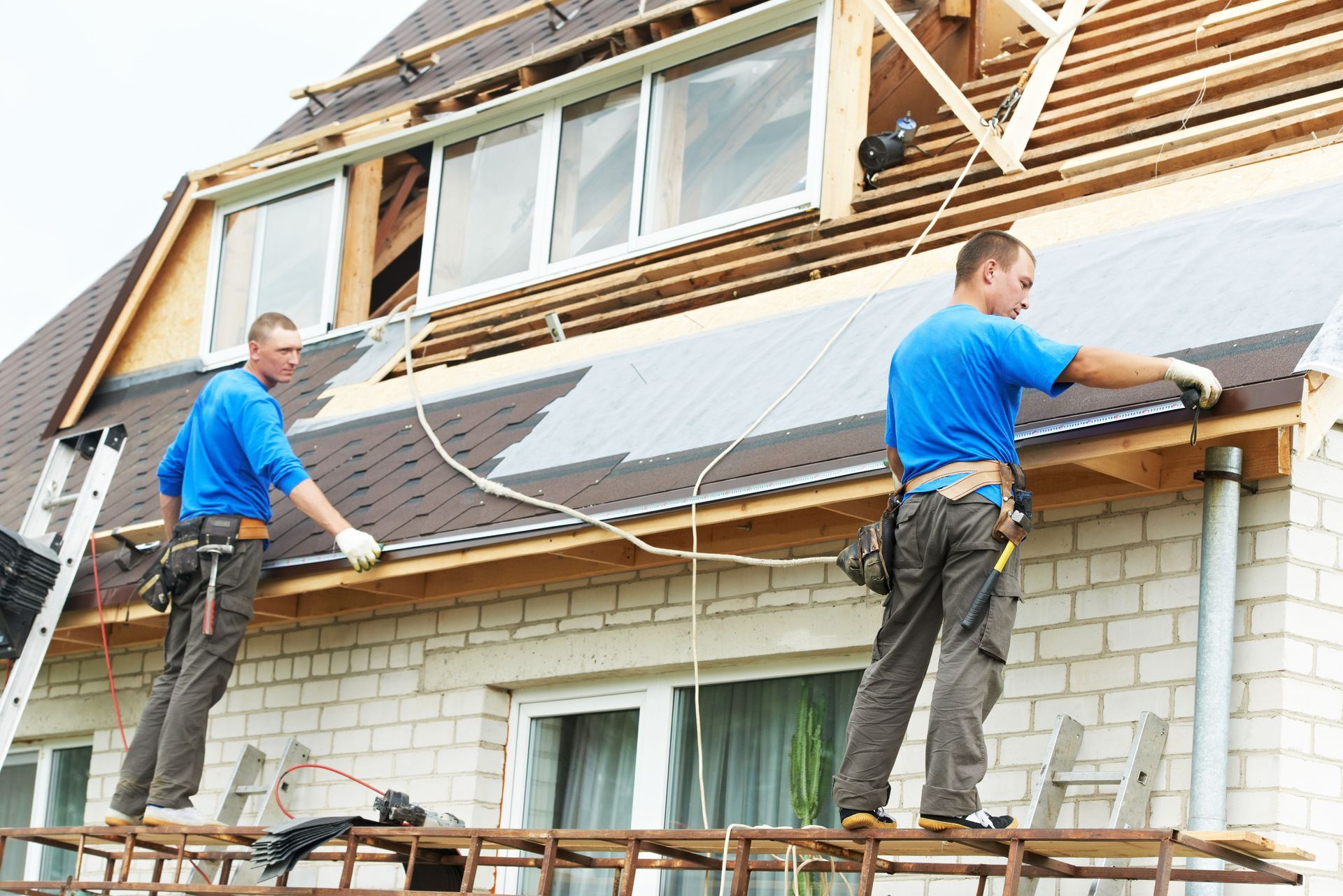
The exterior inspection involves examining the roof's visible components from the outside, identifying any superficial damage or wear. The contractor will typically start with an overview, checking for any obvious signs of distress like missing shingles, damaged flashing, or debris accumulation. Equipment such as ladders and binoculars might be used to ensure a clear view of hard-to-reach areas. It's not uncommon for contractors to utilize drones or telescopic cameras to capture images for a closer examination, enhancing the accuracy of their initial findings. Ensuring that this aspect of the inspection is thorough helps identify preventative measures before problems escalate.
Interior Inspection Procedures
The interior inspection involves assessing areas of the house that could reveal hidden roof issues, like attics and ceilings. The contractor will look for signs of water damage, mold, or structural weaknesses that might not be visible from the exterior. Infrared technology may be employed to detect moisture levels, air leaks, and insulation effectiveness, providing insight into the roof's condition. As interior problems are often indicative of underlying external damage, addressing these areas is crucial to obtaining a complete picture of overall roof health. A thorough internal review complements the external inspection, ensuring a holistic approach to roof evaluation.
Use of Technology and Tools
Modern roof inspections often incorporate advanced technology to enhance accuracy and efficiency. Tools like drones offer high-resolution imagery for detailed analysis of the roof's surface, particularly beneficial for large or complex structures. Infrared cameras or moisture meters help in detecting hidden issues like water intrusion that might not be immediately visible. Utilizing such technology, roofing contractors can provide more in-depth assessments and tailored recommendations. This technological integration is essential for a comprehensive diagnosis, enabling precision in identifying existing problems and potential risks.
Understanding Inspection Checklists
An inspection checklist serves as a roadmap for the contractor, ensuring no part of the roof system is overlooked. This checklist typically includes items like shingles, flashing, vents, gutters, and the general structural state. Understanding the contents of the checklist helps you appreciate the thoroughness of the inspection process and the depth of detail it captures. A well-structured checklist is indicative of a contractor's commitment to quality and comprehensive evaluation. The checklist assists in systematically documenting any findings, serving as a reference for future inspections and maintenance needs.
Safety Measures During Inspection
Safety is a paramount concern during any roof inspection, both for the contractor and occupants. Professional contractors are well-versed in adhering to safety standards, utilizing appropriate gear such as harnesses and protective clothing when inspecting exterior components. Ensuring that the property is safe to inspect, with clear pathways and secured pets, contributes to a safer process. Roof inspections may need to be rescheduled in adverse weather conditions to prevent accidents. Contractors who prioritize safety not only protect themselves but also demonstrate professionalism and care for their work environment.
Hiring a roofing contractor for an inspection is an essential step in maintaining and extending the lifespan of your roof. By understanding what to expect from the process, you can ensure you get the most value and the best protection for your home. According to This Old House, a standard inspection can take as little as 45 minutes. Large, complex roofs that have suffered severe damage could take as long as four hours to check. Professional inspections provide peace of mind, expertly identifying necessary repairs and guiding maintenance to prevent costly damage. The collaboration with contractors throughout this process is invaluable in safeguarding your investment and enhancing home safety. Future-focused inspection strategies enable proactive care, reinforcing long-term assurances in the durability and functionality of your roofing system. Be sure to reach out to Roofing Plus today for more information on our professional roofing contractor!