March 10, 2026
Choosing between asphalt shingles and metal roofing is a significant decision that affects your home’s protection, appearance, energy performance, and long-term financial investment. Both materials are widely used across the United States and offer distinct advantages depending on climate, budget, and ownership goals. Asphalt shingles remain the most common residential roofing material due to affordability and design flexibility, while metal roofing continues to gain popularity for its durability and longevity. Understanding the full scope of differences between these options allows homeowners to move forward with clarity and confidence. By consulting an experienced local roofing contractor, you can evaluate how each material aligns with your home’s structure, environmental conditions, and long-term plans.
Compare Upfront and Long-Term Costs
Initial cost is often the deciding factor for homeowners. Asphalt shingles typically have a lower upfront price point because materials are readily available and installation is less labor-intensive. This makes them attractive for homeowners managing tight renovation budgets or planning shorter-term ownership. However, focusing only on upfront costs can overlook long-term expenses related to maintenance and eventual replacement. Considering both initial and future costs helps homeowners make a more informed decision that aligns with their financial goals.
Metal roofing generally requires a higher initial investment. Installation demands specialized skills and precision, which increases labor costs. The material itself—whether steel, aluminum, or copper—can further impact overall pricing. However, evaluating only the upfront expense does not present the full financial picture.
Asphalt shingles generally last between 15 and 30 years, meaning homeowners may face at least one replacement during long-term ownership. Metal roofs, by contrast, often last 40 to 70 years or more. Over decades, the reduced need for replacement can narrow the cost gap. According to Today’s Homeowner, a fresh asphalt roof typically returns 60% to 70% of its cost in improved home value. While this is appealing for resale considerations, homeowners planning to remain in their property long term may find greater value in metal roofing’s extended service life. A knowledgeable local roofing contractor can provide a life-cycle cost comparison tailored to your specific property.
Evaluate Durability and Structural Longevity
Durability directly impacts performance and long-term value. Asphalt shingles are engineered to withstand common weather conditions, but they can deteriorate from prolonged sun exposure, moisture infiltration, and freeze-thaw cycles. Over time, shingles may curl, crack, or lose protective granules, reducing their effectiveness.
Metal roofing stands out for superior structural resilience. It resists rot, mold, insect damage, and warping. Advanced coatings protect against corrosion and fading, helping maintain both strength and visual appeal. When installed correctly by a qualified local roofing contractor, metal systems maintain their integrity for decades with minimal degradation.
For homeowners seeking a low-disruption solution, metal roofing’s longevity can be a major advantage. Fewer replacements mean less inconvenience and reduced labor expenses over the life of the home. Carefully weighing structural performance ensures your roofing investment aligns with your long-term occupancy plans.
Assess Weather Resistance and Climate Suitability
Regional weather conditions play a critical role in roofing performance. Asphalt shingles perform well in moderate climates but can be vulnerable in areas with severe storms, heavy hail, or strong winds. High winds may loosen shingles, while hail can cause bruising or granule loss. Repeated weather exposure may shorten their lifespan.
Metal roofing is widely recognized for exceptional weather resistance. Interlocking panels create a secure barrier against wind uplift. The material withstands heavy rain, snow, and hail more effectively than many traditional roofing systems. Additionally, metal is non-combustible, offering enhanced protection in wildfire-prone regions.
In colder climates, metal roofs shed snow efficiently, minimizing ice dam formation. In warmer areas, reflective coatings reduce solar heat absorption, contributing to lower cooling costs. A skilled local roofing contractor can evaluate local climate data and recommend the material best suited for optimal long-term performance.
Understand Maintenance Requirements and Warranty Coverage
Maintenance expectations differ significantly between asphalt and metal roofing systems. Asphalt shingles require periodic inspections to identify missing or damaged shingles, algae growth, and flashing issues. While maintenance is generally straightforward, neglect can lead to leaks or premature failure.
Metal roofing systems typically require less ongoing maintenance. Their smooth surfaces shed debris easily, and protective coatings guard against rust. Occasional inspections remain important, particularly around fasteners and seams, but overall upkeep tends to be less frequent. Homeowners often find that minimal maintenance reduces long-term costs and effort compared to asphalt shingles. This low-maintenance quality also helps preserve the roof’s appearance and performance over many years.
Warranty coverage also varies. Asphalt shingles commonly carry manufacturer warranties between 20 and 30 years, depending on the product grade. Metal roofing warranties often extend 40 years or longer, with some including coverage for fading or corrosion. Working with a reputable local roofing contractor ensures installation complies with manufacturer specifications, preserving warranty validity and providing long-term protection.
Consider Energy Efficiency and Environmental Impact
Energy performance and sustainability are increasingly important to homeowners. Asphalt shingles absorb more heat, which may contribute to higher cooling demands in warmer climates. Although newer shingle technologies include reflective granules, their energy efficiency typically remains lower than metal alternatives.
Metal roofing excels in energy efficiency due to reflective coatings that deflect solar radiation. This can reduce attic temperatures and lower air conditioning usage during hot months. Over time, energy savings may partially offset higher installation costs. In some climates, improved thermal performance can also reduce strain on HVAC systems, potentially extending their lifespan. These cumulative efficiency benefits make metal roofing an appealing choice for homeowners focused on both comfort and long-term operating savings.
From an environmental perspective, asphalt shingles contribute to landfill waste when replaced. While recycling initiatives exist, replacement frequency increases overall material consumption. Metal roofing offers stronger sustainability benefits. Most metal panels are recyclable at the end of their lifespan, and their extended durability reduces long-term resource use. Consulting a local roofing contractor about energy-efficient options and potential rebates can further enhance environmental and financial benefits.
Enhance Aesthetic Appeal and Architectural Compatibility
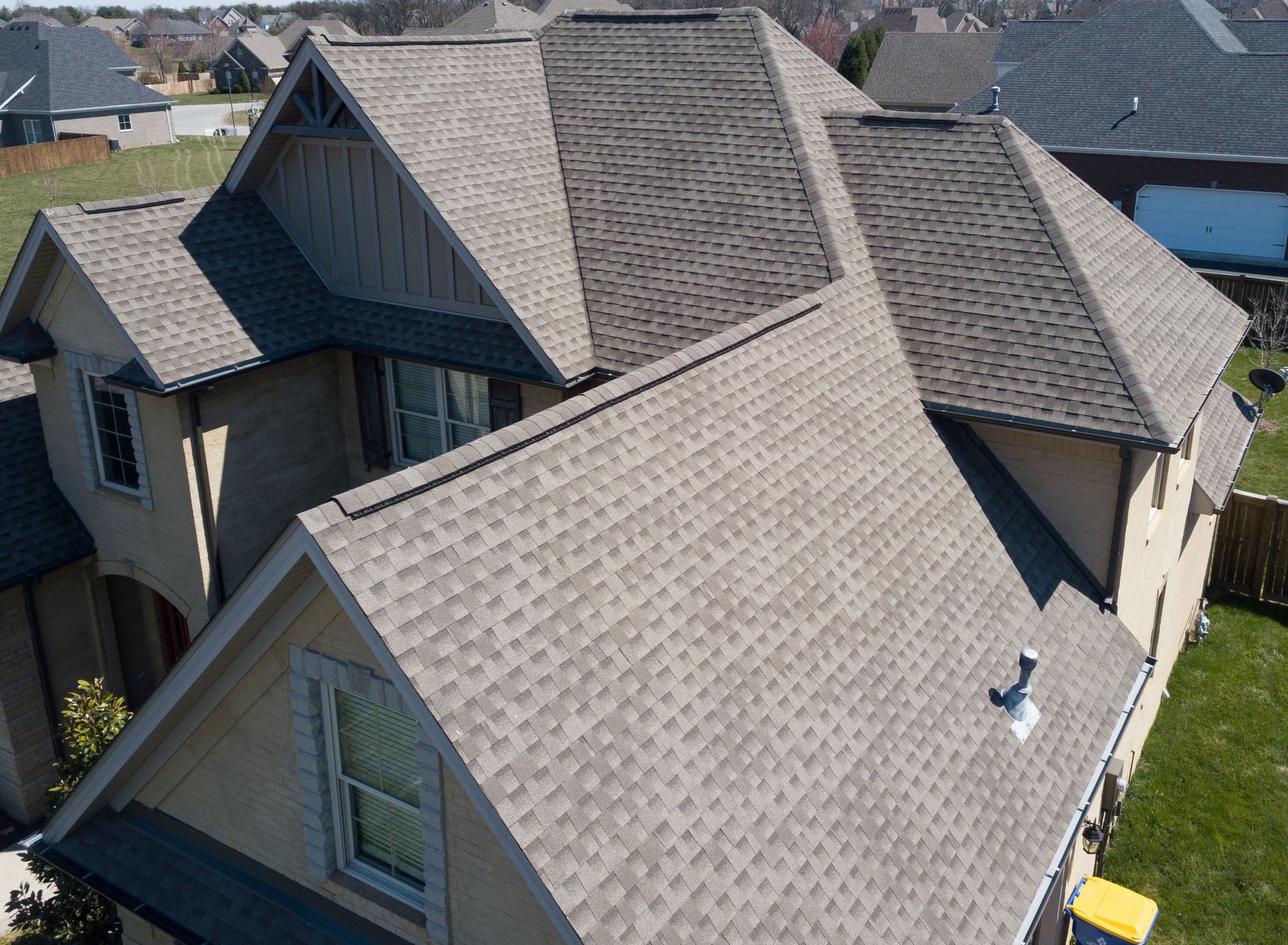
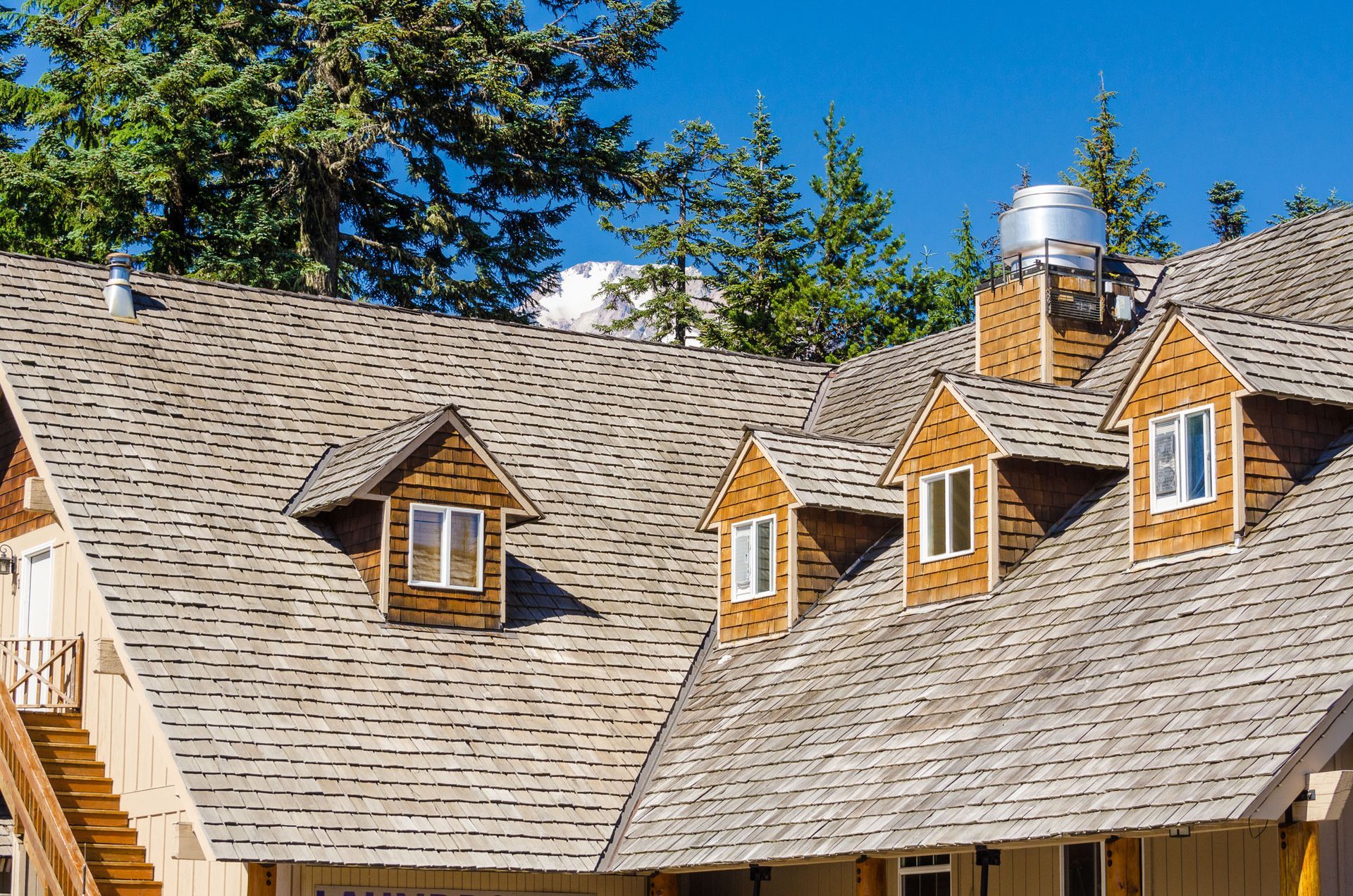
A roof significantly influences curb appeal. Asphalt shingles offer extensive design versatility, including architectural and dimensional styles that add depth and texture. With a broad selection of colors available, homeowners can coordinate roofing with siding, trim, and landscaping elements.
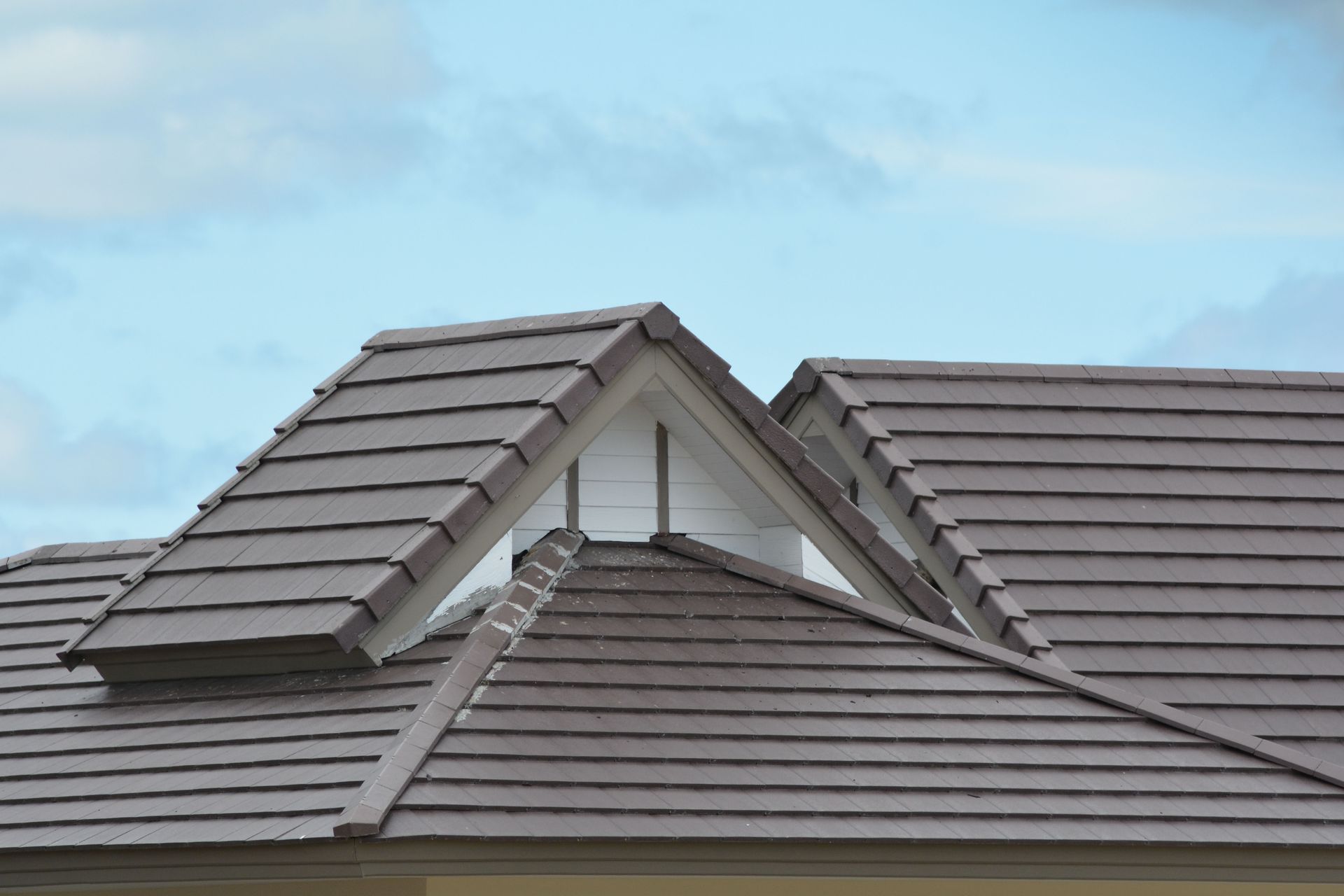
Metal roofing has evolved beyond its industrial origins. Modern systems include standing seam profiles and designs that replicate slate or tile. Available in a wide array of finishes and colors, metal roofing can complement contemporary, farmhouse, coastal, or traditional architectural styles. The sleek lines of metal panels often create a bold, modern aesthetic that enhances visual distinction.
Selecting a roofing material that harmonizes with your home’s architecture strengthens overall design cohesion. An experienced local roofing contractor can provide samples, explain finish options, and ensure the chosen material enhances both performance and visual appeal.
Asphalt shingles and metal roofing each offer compelling benefits. Asphalt shingles provide affordability, style flexibility, and solid short-term return on investment. Metal roofing delivers exceptional durability, superior weather resistance, enhanced energy efficiency, and long-term sustainability. The right choice depends on your budget, climate conditions, maintenance preferences, and long-term ownership goals. By carefully comparing costs, lifespan, performance, and aesthetics, you can make a well-informed decision that protects and enhances your property. To ensure expert guidance and flawless installation, contact Roofing Plus today and partner with a trusted local roofing contractor who will help safeguard your home for decades to come.